“powder trough” search results (300)
The practice of mocha coffee the method of using mocha coffee pot
Process analysis: initial heat: after the kettle is heated, the air part expands by heat, resulting in pressure, and the water reaches the powder trough through the aqueduct. After soaking in water, the coffee powder expands rapidly to form pressed powder. At this time, the water in the lower pot is resisted by pressed powder, and the closed pressure in the lower pot continues to increase. The purpose of initial heat is to raise the water level to the position of the powder trough and to make the coffee powder form cakes, so that high pressure and high temperature are not needed.
2016-06-05 Mocha coffee practice coffee maker usage process analysis initial heat pot
Coffee machines compare the advantages and disadvantages of various coffee utensils
When the breath of winter is getting stronger and stronger, warmth becomes the most urgent desire, how pleasant it is to have a cup of steaming coffee in this season. When freshly ground coffee gradually enters the public's line of sight, it has a pure taste and strong aroma, so that many people who love coffee are infatuated. Here are some household coffee utensils and raw materials.
2015-10-06 Coffee machine various types advantages and disadvantages coffee utensils competition winter breath more
How coffee is made
Drip coffee brewing method invented by the Germans. Simply put, ground coffee is placed in a funnel or filter paper, poured with hot water (ideal temperature between 90C and 95C), and the coffee flows out from below due to gravity. The amount of coffee is usually 7 to 10 grams of powder can be made into a cup of about 120ml. Syphon pot Syphon pot
2016-06-13 coffee preparation method
Coffee common sense the advantages and disadvantages of various types of coffee machines
When the breath of winter is getting stronger and stronger, warmth becomes the most urgent desire, how pleasant it is to have a cup of steaming coffee in this season. When freshly ground coffee gradually enters the public's line of sight, it has a pure taste and strong aroma, so that many people who love coffee are infatuated. Here are some household coffee utensils and raw materials.
2015-07-15 Coffee common sense coffee machine all kinds kinds advantages and disadvantages winter breath more and more
Boutique Coffee explains the types of bean grinders in detail
1. The ancient house bean grinder is also called the three-sided bean grinder, which is a hand grinder with soft wood grain. If the rotation speed or force of the handle is uneven, the coffee beans after grinding will be uneven. It should be noted that this bean grinder is characterized by fast grinding, uniform thickness and adjustable thickness. How to operate: put the coffee beans in the upper container, gently shake to the handle, grind the coffee.
2014-11-07 Coffee knowledge boutique caffeine bean grinder type
Common sense of bean grinder types of fine coffee grinder
1. The ancient house bean grinder is also called the three-sided bean grinder, which is a hand grinder with soft wood grain. If the rotation speed or force of the handle is uneven, the coffee beans after grinding will be uneven. It should be noted that this bean grinder is characterized by fast grinding, uniform thickness and adjustable thickness. How to operate: put the coffee beans in the upper container, gently shake to the handle, grind the coffee.
2015-04-23 Bean grinder type boutique coffee common sense
Six common ways of brewing coffee
1. Siphon pot (Syphon) is one of the most popular coffee brewing methods in cafes. Principle of siphon pot: under the combustion of alcohol lamp, when the water temperature in the lower container reaches 92 ℃, the water is sucked into the upper container with coffee powder, and after soaking and stirring, the coffee is returned. Suitable for coffee: slightly sour, medium-bodied coffee. Degree of grinding: slightly thicker than powder
2014-06-24 Coffee knowledge coffee brewing coffee training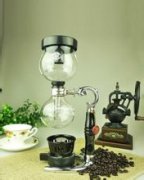
Analysis of equipment and usage of Coffee
Siphon pot (Syphon) siphon pot is one of the most popular coffee brewing methods in cafes. Principle: under the burning of alcohol lamp, when the water temperature in the lower container reaches 92 ℃, the water is sucked into the upper container with coffee powder, and after soaking and stirring, the coffee is returned. Degree of grinding: slightly thicker than powder, close to special fine granulated sugar. Siphon cooking has a kind of chemistry.
2014-07-17 Coffee knowledge coffee equipment coffee utensils coffee brewing
Coffee knowledge six common ways of brewing coffee
1. Siphon pot (Syphon) is one of the most popular coffee brewing methods in cafes. Principle of siphon pot: under the combustion of alcohol lamp, when the water temperature in the lower container reaches 92 ℃, the water is sucked into the upper container with coffee powder, and after soaking and stirring, the coffee is returned. Suitable for coffee: slightly sour, medium-bodied coffee. Degree of grinding: slightly thicker than powder
2014-09-23 Coffee knowledge coffee brewing coffee salon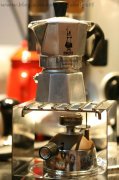
Make espresso at home using a mocha pot
As long as you know the temperature of the water at which you make coffee, mocha pots are perfectly capable of making thick, chocolate-flavored, sweet espresso.
2014-07-10 Mocha pot espresso coffee culture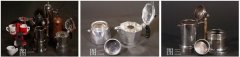
Mocha pot brews coffee
The picture of the mocha pot shows: the first three mocha pots, the left and middle are the traditional mocha pots, and the right is the compact mocha pots. Comparatively, inside the lid, the condensed mocha kettle has a round condensing valve. The last four are all kinds of traditional mocha pots. Brief description of the parts: figure 1 is the Brikka pressure type, figure 2 is the traditional mocha kettle 1, the lower seat: the place where the water is put, with a pressure relief valve on it. 2. Powder trough
2014-07-15 Mocha pot brewing coffee coffee utensils
Basic knowledge of mocha pot brewing coffee
The picture of the mocha pot shows: the first three mocha pots, the left and middle are the traditional mocha pots, and the right is the compact mocha pots. Comparatively, inside the lid, the condensed mocha kettle has a round condensing valve. The last four are all kinds of traditional mocha pots. Brief description of the parts: figure 1 is the Brikka pressure type, figure 2 is the traditional mocha kettle 1, the lower seat: the place where the water is put, with a pressure relief valve on it. 2. Powder trough
2015-05-26 Mocha pot coffee basics common sense mocha pot picture front three medium biography
The way coffee is made, the use of coffee equipment, precautions for the use of mocha pots, electric coffee.
The method of making coffee the method of brewing coffee invented by the Germans. To put it simply, after grinding the coffee, put it in a funnel or add a layer of filter paper and pour hot water on top (the ideal water temperature is between 90C and 95C). Due to the gravity of the earth, the coffee will flow out from below. The amount of coffee is usually 7 to 10 grams of powder can make about a cup of 120ml. Siphon
2016-03-04 Coffee production mode equipment usage mocha pot use matters needing attention electric
Basic knowledge of brewing coffee in a mocha pot
The picture of the mocha pot shows: the first three mocha pots, the left and middle are the traditional mocha pots, and the right is the compact mocha pots. Comparatively, inside the lid, the condensed mocha kettle has a round condensing valve. The last four are all kinds of traditional mocha pots. Brief description of the parts: figure 1 is the Brikka pressure type, figure 2 is the traditional mocha kettle 1, the lower seat: the place where the water is put, with a pressure relief valve on it. 2. Powder trough
2015-04-21 Use motorcycle coffee basics common sense mocha pot picture front three medium
Video course of Coffee Powder pressing skills-- Coffee Powder pressing correct method
1, powder thickness XX bean grinder scale should be adjusted to? The scale is just a reference. Different brands have different grinding scales, and the performance of the same model bean grinder of the same brand under the same scale is not exactly the same. It is better to understand it this way: the scale only tells you which direction is thick and which is fine. When you find the right powder thickness, the role of the scale will be slightly displayed.
2016-10-17 Coffee powder pressing techniques videos tutorials correct manipulation thickness bean grinder scale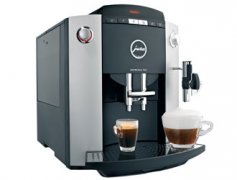
Swiss IMPRESSA F50 Household Italian Coffee Machine
Swiss JURA IMPRESSA F series: IMPRESSA F50 household Italian coffee machine function: professional cappuccino milk machine rotary button coffee cup lighting system red subtitle power monitoring system sealed bean trough cover nozzle connection converter I.P.B.A.S. Intelligent pre-moisturizing system CLARIS filter element click download: jura_impressa_f50 household coffee machine technical reference
2015-07-07 Switzerland Yuri IMPRESSA F50 intention coffee maker excellent
To make espresso from a mocha pot
In a way, the coffee made by the mocha pot is the predecessor of today's espresso, because although the mocha pot is not a machine, it is also extracted by pressure. The water in the lower pot is in an airtight space, evaporating to form pressure, squeezing hot water into the upper pot and extracting the coffee, so the coffee has a strong flavor, but due to the formation of steam, if you don't pay attention to it, the water
2015-05-21 Use motorcycle card pot production concentrate coffee step mocha pot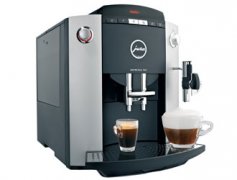
JURA IMPRESSA F Series: IMPRESSA F50 Household Italian Coffee Machine
Swiss JURA IMPRESSA F series: IMPRESSA F50 household Italian coffee machine function: professional cappuccino milk machine rotary button coffee cup lighting system red subtitle power monitoring system sealed bean trough cover nozzle connection converter I.P.B.A.S. Intelligent pre-moisturizing system CLARIS filter element click download: jura_impressa_f50 household coffee machine technical reference
2015-09-22 Switzerland Yuri JURA IMPRESSA Series F50 intention
The process of making coffee in mocha pot explains the steps that baristas must see.
The picture of the mocha pot shows: the first three mocha pots, the left and middle are the traditional mocha pots, and the right is the compact mocha pots. Comparatively, inside the lid, the condensed mocha kettle has a round condensing valve. The last four are all kinds of traditional mocha pots. Brief description of the parts: figure 1 is the Brikka pressure type, figure 2 is the traditional mocha kettle 1, the lower seat: the place where the water is put, with a pressure relief valve on it. 2. Powder trough
2015-03-02 Mocha pot coffee process steps explanation Shibi mocha pot diagram front three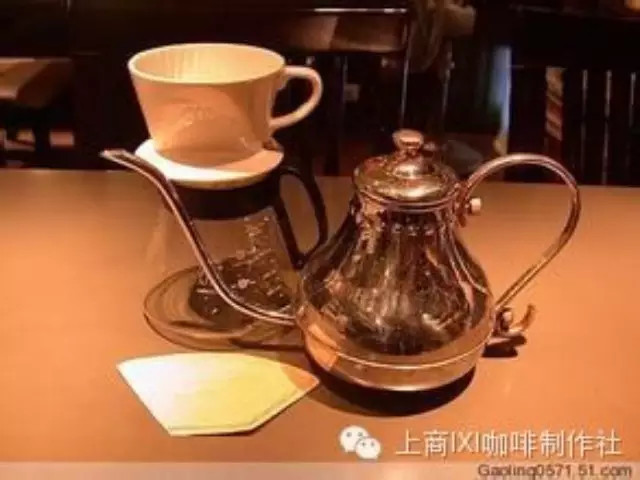
Operation of boutique coffee: classification and explanation of various common brewing utensils of coffee
Coffee utensils dripping coffee brewing method invented by the Germans. To put it simply, after grinding the coffee, put it in a funnel or add a layer of filter paper and pour hot water on top (the ideal water temperature is between 90C and 95C). Due to the gravity of the earth, the coffee will flow out from below. The amount of coffee is usually 7 to 10 grams of powder can make about a cup of 120ml. French filter press for short French pressure kettle
2015-12-15 Boutique coffee operation various common brewing utensils classification introduction explanation